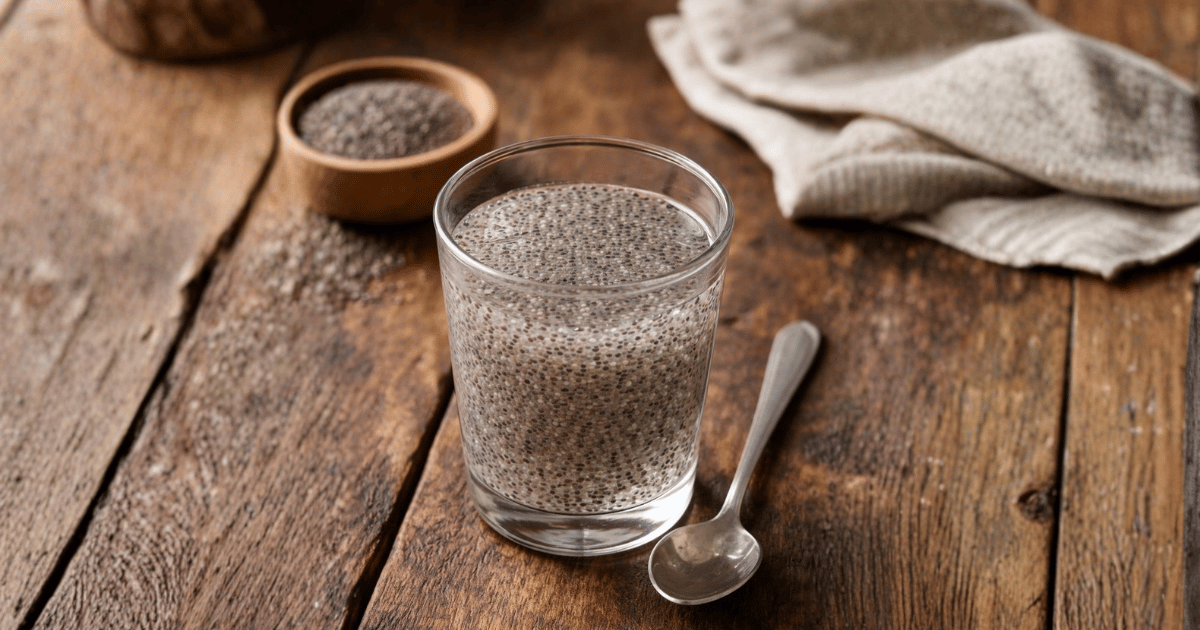
I semi di chia sono stati consumati per secoli, molto prima di apparire in barattoli di vetro e frullati sui social media. Venerati dalle civiltà antiche per la loro capacità di fornire energia a lungo termine, questi minuscoli semi sono stati recentemente riscoperti dai consumatori moderni in cerca di ingredienti semplici e vegetali che si adattino facilmente ai pasti quotidiani.
Eppure, nonostante la loro popolarità, i semi di chia rimangono uno degli alimenti più incompresi in cucina. Molte persone hanno difficoltà a preparare budini acquosi, grumi densi, consistenze granulose o disturbi digestivi. Quasi tutti questi problemi risalgono a una domanda fondamentale: i semi di chia hanno davvero bisogno di essere ammollati e, in tal caso, come farlo correttamente?
Questo articolo completo spiega cosa sono i semi di chia, come si comportano nei liquidi, perché l’ammollo è importante, le proporzioni corrette per i diversi usi e gli errori più comuni che si commettono durante la loro preparazione. In tutto questo, le opinioni di chef, insegnanti di cucina e professionisti della nutrizione aiutano a distinguere i fatti dalla confusione generata dalle mode.
Cosa sono i semi di chia?
I semi di chia provengono dalla Salvia hispanica, una pianta da fiore originaria del Messico e del Guatemala. La pianta appartiene alla famiglia della menta e produce piccoli fiori blu-viola che contengono i semi. Storicamente, i semi di chia venivano utilizzati dagli Aztechi e dai Maya come alimento base grazie alla loro capacità di fornire energia e idratazione a lunga durata.
Dal punto di vista culinario, i semi di chia sono apprezzati per il loro sapore delicato, leggermente nocciolato. Non sovrastano gli altri ingredienti, il che li rende facili da incorporare sia in piatti dolci che salati. Ma non è il sapore a definire veramente i semi di chia: è la loro struttura.
“Ciò che rende unici i semi di chia è la loro capacità di assorbire una quantità straordinaria di liquido e trasformarlo in un gel”, afferma Maya Brown, chef istruttrice di arti culinarie presso la Auguste Escoffier School of Culinary Arts.
Quando i semi di chia entrano in contatto con un liquido, la fibra solubile presente sul loro strato esterno si espande, formando un rivestimento gelatinoso. Questa trasformazione fisica è alla base di quasi ogni preparazione di successo a base di chia.
Perché è importante mettere in ammollo i semi di chia
Mettere in ammollo i semi di chia non è solo una scelta estetica: è fondamentale sia per la consistenza che per il comfort. I semi di chia secchi possono assorbire fino a dieci volte il loro peso in liquidi. Se tale assorbimento avviene dopo il consumo anziché prima, può causare spiacevoli effetti digestivi.
“Preidratare i semi di chia consente di controllarne l’espansione anziché lasciare che questo processo avvenga nel tratto digerente”, spiega Olivia Roszkowski, chef istruttrice di arti culinarie a base vegetale presso l’Institute of Culinary Education.
Dal punto di vista nutrizionale, l’ammollo migliora la fruibilità senza alterare il profilo nutrizionale del seme. Garantisce inoltre un’idratazione uniforme, prevenendo la formazione di duroni e grumi secchi.
I nutrizionisti spesso sottolineano che l’ammollo favorisce una migliore digestione e consistenza, piuttosto che aumentarne direttamente il valore nutrizionale.
“L’ammollo non cambia i nutrienti contenuti nei semi di chia, ma cambia radicalmente il modo in cui il corpo li percepisce”, afferma uno specialista in nutrizione culinaria specializzato in diete a base di cibi integrali.
Profilo nutrizionale:
I semi di chia sono spesso etichettati come “superfood”, ma il loro valore risiede nell’equilibrio e nella densità piuttosto che nella novità. Sono una delle fonti vegetali più ricche di acidi grassi omega-3, in particolare di acido alfa-linolenico (ALA).
Inoltre, i semi di chia forniscono:
Fibre alimentari (sia solubili che insolubili)
Proteine vegetali
Composti antiossidanti
“I semi di chia offrono una rara combinazione di fibre e grassi sani in una forma che si adatta facilmente ai pasti quotidiani”, afferma una dietologa specializzata in diete a base di vegetali. “Non si tratta di estremismi, ma di coerenza”.
Poiché sono così ricchi di nutrienti, in genere sono sufficienti porzioni moderate.
È sempre necessario mettere in ammollo i semi di chia?
Nella maggior parte dei casi, sì.
I semi di chia interi dovrebbero essere ammollati ogni volta che vengono consumati in quantità visibili, come in budini, bevande, yogurt o ciotole. L’ammollo garantisce un’idratazione uniforme e impedisce ai semi di espandersi in modo non uniforme.
Ci sono alcune eccezioni:
Quando i semi di chia vengono cotti in prodotti come muffin o pancake
Quando i semi di chia vengono macinati e utilizzati come leganti nelle ricette
“Quando i semi di chia vengono macinati, si comportano in modo molto diverso”, spiega Roszkowski. “Riescono a legarsi senza bisogno di ammollo, soprattutto in ricette strutturate come gli hamburger vegetariani”.
Al di fuori di questi utilizzi, si consiglia vivamente l’ammollo.
Il corretto rapporto liquido-seme (dove si verificano più errori)
La preparazione più comune a base di chia è il budino di chia, ed è anche quella in cui si verificano più errori.
Proporzioni standard per il budino di chia
Utilizzare uno dei seguenti ingredienti:
1 tazza di liquido: ¼ di tazza di semi di chia
¼ di tazza di liquido: 1 cucchiaio di semi di chia
Mescolare bene e lasciare riposare il composto a temperatura ambiente per 10-15 minuti, mescolando una o due volte. A questo punto, i semi saranno idratati all’80%.
Per un budino completamente rappreso, conservare il composto in frigorifero per diverse ore o per tutta la notte.
“L’idratazione continua lentamente nel tempo”, afferma Brown. “Ecco perché il budino di chia si addensa di più in frigorifero.”
Using Chia Seeds in Other Preparations
Chia seeds are far more versatile than pudding alone.
Smoothies and Drinks
- 16-ounce smoothie: up to 2 tablespoons chia seeds
- 8-ounce water or juice: 1 tablespoon chia seeds
Allow the seeds to hydrate briefly before drinking to prevent settling.
Yogurt and Oatmeal
- Stir 1 tablespoon into yogurt with a splash of water
- Add to oatmeal while cooking or soaking
Baking and Egg Replacement
Chia seeds work well as egg substitutes:
- 1 tablespoon whole chia seeds or 2 teaspoons ground
- 3 tablespoons water
- Rest 5 minutes = 1 egg
Jams and Compotes
Mixed with mashed berries and a small amount of sweetener, chia seeds naturally thicken homemade jams without cooking.
“Chia seeds shine when moisture is already present,” says Brown. “They adapt to the dish rather than dominate it.”
Common Problems When Using Chia Seeds (and How to Fix Them)
Runny Pudding
Cause: Too much liquid or insufficient soaking
Fix: Use correct ratios and allow enough time
“Thin pudding usually means the seeds haven’t fully hydrated,” explains Roszkowski.
Thick or Clumpy Texture
Cause: Too many seeds or poor mixing
Fix: Stir twice
“The trick is to whisk, wait a few minutes, then whisk again,” says Kate O’Donnell, health food culinarian and author of The Everyday Ayurveda Cookbook.
Seeds Not Expanding
Cause: Liquid is too thick
Fix: Hydrate seeds first in water, juice, or nut milk
Clumping at the Bottom
Cause: Seeds sink before absorbing liquid
Fix: Shake or stir early and thoroughly
Making Too Much
Cause: Over-thickening during storage
Fix: Prepare only 1–2 days’ worth
“Chia pudding continues to thicken the longer it sits,” says O’Donnell. “Fresh is best.”
Can You Eat Dry Chia Seeds?
Eating large amounts of dry chia seeds is not recommended.
“Dry chia seeds can expand after ingestion and cause gastrointestinal discomfort,” warns Brown.
They can also lodge between teeth and create an unpleasant mouthfeel. Whole or ground, chia seeds are best consumed as part of a preparation rather than on their own.
The only exception is ground chia used as a binder within a recipe matrix.
How to Grind Chia Seeds Properly
To grind chia seeds:
- Use a dry spice grinder or blender
- Work in small batches
- Use low speed to prevent heat buildup
- Ensure equipment is completely dry
“Heat and moisture can degrade seed quality,” explains Roszkowski. “Gentle grinding preserves integrity.”
Summary Table: Chia Seeds at a Glance
| Topic | Key Insight |
|---|---|
| Origin | Salvia hispanica, native to Mexico and Guatemala |
| Absorption | Up to 10× their weight in liquid |
| Best practice | Soak before consuming whole |
| Pudding ratio | 1 cup liquid : ¼ cup seeds |
| Hydration time | 10–15 minutes minimum |
| Common mistakes | Wrong ratios, poor mixing |
| Dry consumption | Not advised in large amounts |
| Storage | Best within 1–2 days |
Is it necessary to let chia seeds soak?
Soaking chia seeds is not mandatory, but it is widely recommended by nutrition professionals because it improves safety and digestibility.
According to Dr. Andrew Weil, physician and specialist in integrative medicine, chia seeds expand significantly when exposed to liquid, which is why pre-soaking helps control how they hydrate before entering the digestive system. This reduces discomfort and makes them easier to tolerate, especially for people sensitive to fiber.
Similarly, Mayo Clinic–trained dietitians explain that soaking allows chia seeds to form their gel outside the body, rather than inside the stomach or throat.
What happens if you eat chia seeds without soaking them?
Eating dry chia seeds causes them to absorb liquid after ingestion. This can lead to swelling in the stomach or throat if large amounts are consumed without enough fluid.
Dr. Michael Greger, physician and nutrition researcher, has explained that dry chia seeds can absorb many times their weight in water, which may cause bloating or discomfort when eaten straight.
Registered dietitian Jessica Cording, nutrition therapist, also notes that consuming dry chia seeds without liquid increases the likelihood of digestive distress, especially for people not accustomed to high-fiber foods.
What is the healthiest way to consume chia seeds?
Health professionals generally agree that the healthiest way to consume chia seeds is hydrated and in moderate amounts.
According to Dr. Walter Willett, Professor of Nutrition and Epidemiology at Harvard, chia seeds are best incorporated into foods where they are evenly hydrated, such as yogurt, oatmeal, or blended beverages. This improves absorption and reduces gastrointestinal side effects.
Dietitians also emphasize that consistency matters more than format—regular, moderate intake is preferable to large occasional doses.
Can I eat chia seeds right out of the bag?
You can, but most experts advise against eating them dry by the spoonful.
Dr. Lisa Young, registered dietitian and nutrition professor, warns that swallowing dry chia seeds without liquid increases the risk of choking and digestive discomfort because they expand rapidly once exposed to moisture.
Health professionals recommend mixing dry chia seeds into moist foods or liquids if they are not pre-soaked.
What should not be mixed with chia seeds?
Chia seeds should not be combined with conditions that prevent proper hydration.
According to registered dietitian Erin Palinski-Wade, CDCES and author, problems arise when chia seeds are mixed into very dry foods or eaten in large amounts without enough liquid. Extremely hot liquids can also cause uneven clumping, making them harder to digest.
The issue is not toxicity, but texture and hydration imbalance.
How many chia seeds should I eat per day?
Most nutrition experts recommend 1 to 2 tablespoons per day for adults.
Dr. Roberta Anding, sports dietitian and nutrition educator, explains that chia seeds are very high in fiber, and exceeding moderate portions can lead to bloating, constipation, or abdominal discomfort.
Starting with smaller amounts and increasing gradually allows the digestive system to adapt safely.